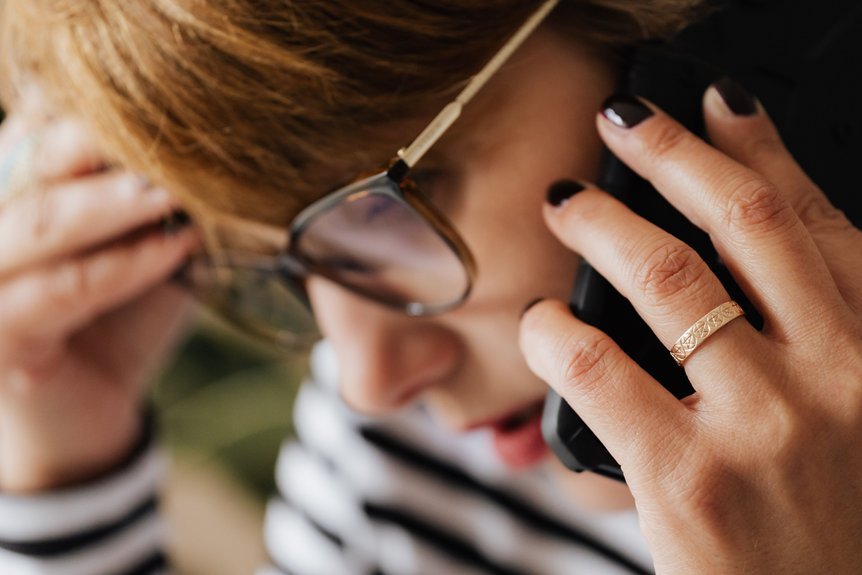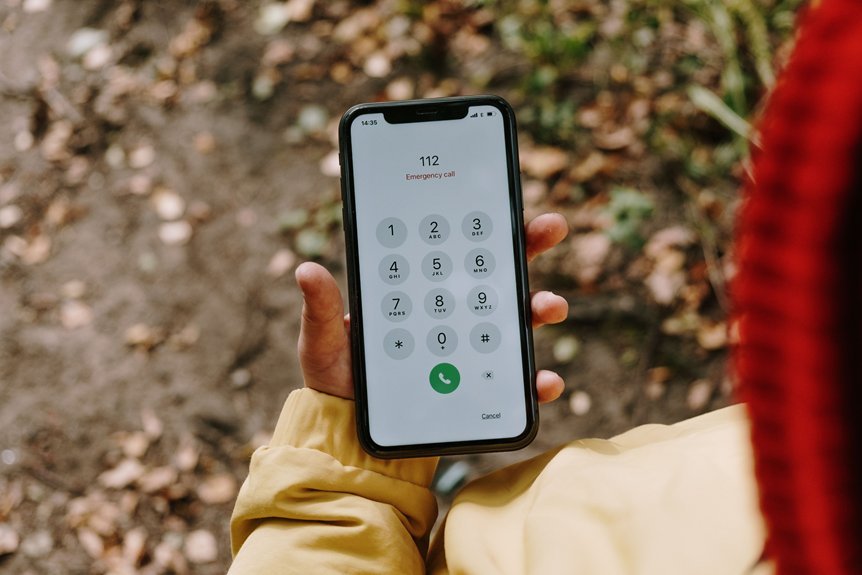
The number 6023132151 can pose privacy and security risks, including spoofed calls, phishing, and data exposure. It may reveal location hints, contact patterns, or app-linked profiling. A cautious approach weighs caller identity against corroborating signals and separate channels of verification. Practical steps—verify, block, and report—create a shield, yet gaps remain in defense. The next move matters, because a single unchecked call can cascade into broader exposure.
What Can 6023132151 Reveal About Your Privacy Risks
Given a phone number like 6023132151, various data points linked to it—caller ID history, metadata from calls, opt-in data from apps, and location traces—can collectively illuminate a user’s behavioral patterns, associations, and habits.
This reveals privacy exposure and traces a user’s data footprint, highlighting risks such as profiling, targeted marketing, and potential misuse without consent.
Protection requires vigilance and controls.
How to Identify a Real Caller vs. Scam or Misdial
To determine whether a caller is legitimate, one should compare the incoming number against known contacts, evaluate caller ID presentation, and assess context such as timing and usage patterns.
The approach remains skeptical yet calm: corroborate details through separate channels, note inconsistencies, and avoid impulsive actions.
two word discussion idea, another two word discussion idea.
Clarity empowers safer communication.
Practical Steps to Block, Report, and Protect Yourself
There are practical steps to block, report, and protect oneself when facing suspicious or unwanted calls. Individuals can enable call-block lists, report numbers to carriers, and use privacy settings to reduce exposure. Emphasize caller identification cues, avoid sharing personal data, and log incidents. This enhances scam prevention, raises threat awareness, and mitigates privacy risks while preserving personal freedom.
Preventive Setups to Never Be Caught Off Guard Again
Preventive setups focus on creating reliable barriers and immediate response protocols that minimize exposure to unwanted calls. They establish routines that reduce privacy risks by validating caller identification before engagement, enabling selective contact, and logging anomalies.
Proactive measures include block reporting automation, privacy prompts, and whistleblower-safe reporting channels, ensuring accountability while preserving autonomy and freedom from intrusive interruptions.
Frequently Asked Questions
What Is 6023132151 and Where Does It Originate?
What is 6023132151 and where does it originate? It appears as a numeric identifier within phone networks; origins are traceable via call tracing methods, though specifics depend on carrier infrastructure and regional assignment, ensuring privacy and lawful use for auditing.
Can This Number Be Traced to a Specific Person?
Privacy concerns arise: this number cannot be traced to a specific person with certainty. It may reflect a caller ID, spoofing, or masked lines; scam indicators exist, but definitive identification remains uncertain. Caution is advised for freedom-seekers.
Are There Legal Risks in Blocking or Reporting This Number?
Blocking or reporting this number raises privacy concerns and may implicate data sharing policies; legality depends on jurisdiction and platform rules. The action is generally permissible if legitimate, but misreporting can expose the reporter to potential liability.
Will My Data Be Shared When I Report Spam Calls?
Yes, reporting may involve some data sharing; privacy concerns exist. The system may share metadata with providers or regulators. The extent varies by platform and jurisdiction, but reputable processes limit exposure and protect user anonymity where possible.
How Effective Are Call-Blocking Apps Across Carriers?
“Prepare for rough seas.” Call-blocking apps vary; effectiveness across carriers remains mixed. Spam filters help, but caller data sharing practices differ. The audience seeking freedom should evaluate privacy choices while trusting overall usefulness, not guarantees.
Conclusion
Phishing and spoof calls tied to numbers like 6023132151 threaten privacy, financial security, and data integrity. A detached, cautious approach—verify against contacts, assess caller ID accuracy, and corroborate through separate channels—reduces risk. Practical blocking, reporting, and privacy hardening stop repeated exposure. For example, a hypothetical homeowner received a call claiming urgent tax fraud; instead of answering, they cross-checked with official IRS channels, avoided a scam, and documented the incident to refine future defenses. Vigilance plus proactive steps preserve digital safety.